Home » Blog » Artificial Intelligence
Bridges of Trust
Artificial intelligence presents new challenges in trust, ethics, and responsibility. What roles do companies, regulators, developers, and users play?
Why Choose The Flock?

+15.000 top-tier remote devs
Payroll & Compliance
Backlog Management
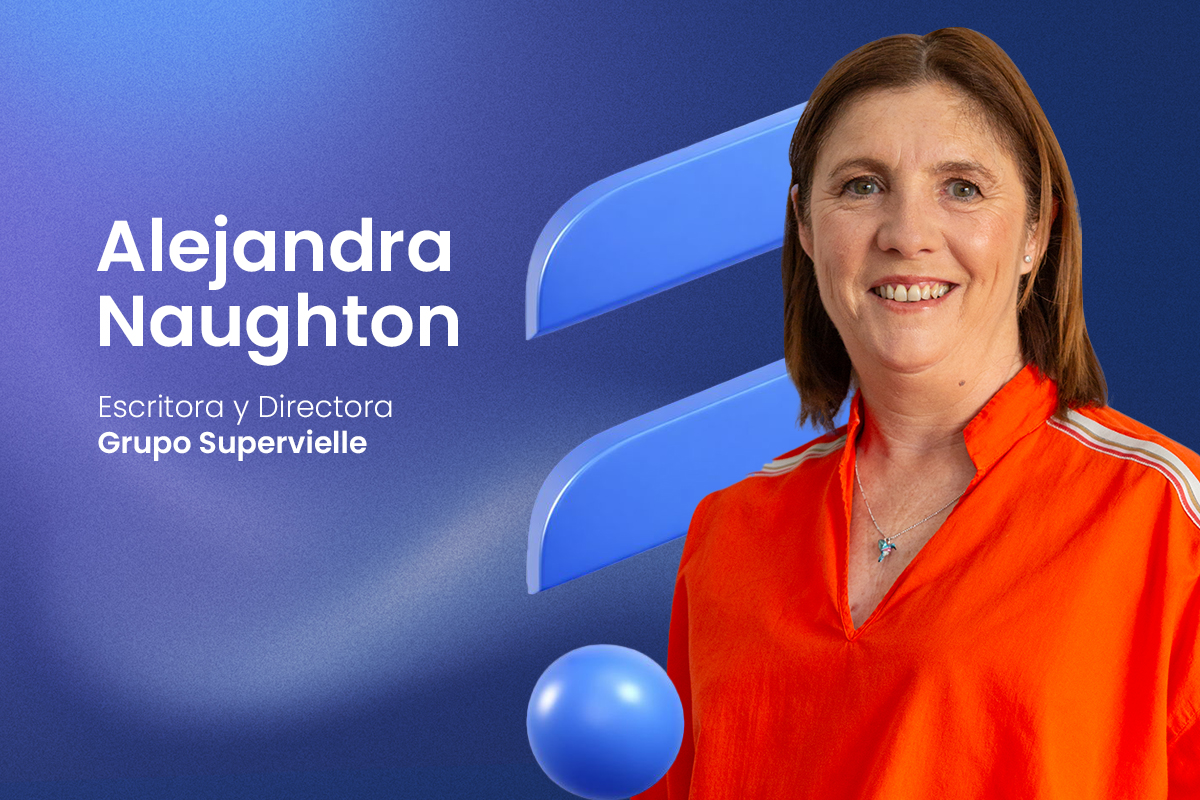
Philosophers, scientists from all fields, and businesspeople are eyeing each other warily. The changes brought about by the rapid pace of technological advancement in the era of artificial intelligence (AI) seem to be eroding the bridges of trust. Are we all driven by the same motives? The potential to achieve key research outcomes for the common good? The concentration of wealth? Environmental impact? The impact on the job market? Or just the possibility of returning to the '80s in a manipulated photo?
What was the world like in the '80s? Each decade had its mystery, but I believe back then we thought we could unravel it. It was about deciphering, adapting, and moving forward. Today, the challenge is to imagine what possibilities open up for our field of action, what we can do differently, what we can do better for the benefit of everyone connected to our companies. But... it seems not everything that glitters is gold, and we begin to think that everything is moving too fast, or without context, or, most feared: that it might get out of control even for those at the frontier of knowledge. This sets the stage for distrust.
Yuval Harari says that human society is based on trust, and trust is based on information and how it is communicated. A change of AI's magnitude destabilizes trust between people. That's why he also says that to survive and make the most of this era, we need to trust more in the bonds between people than in AI. Simple, right?
Or maybe not so much... In May of this year, one of the founders of Anthropic, Chris Olah, acknowledged at the Vatican that AI labs operate within a set of incentives and constraints that might conflict with doing the right thing, and precisely because of this, "we need moral voices that incentives cannot bend." Two months later, we learned in an interview conducted by Jordi Colomé in El País that theologian and philosopher Carmody Grey had declined the company's invitation to join their teams because it was "behind closed doors, on their turf, and on their terms," and although "they had a genuine philosophical curiosity (...) there is such an evident commercial interest in using philosophy to sell the product that it is inevitable that their approach to the humanities ends up being instrumental. (...) They have a very sophisticated communication machinery, they know how to craft a narrative of intellectual and moral seriousness."
In times of more questions than answers, I will not attempt, at least today, to draw conclusions. Just one: ethics does not stand alone. León XIV wrote in May, in the same encyclical that Olah went to listen to at the Vatican, in a phrase that should unsettle those of us who sit on a board: "It is not enough to invoke ethics in the abstract; solid legal frameworks, independent oversight, informed users, and a political system that does not abdicate its responsibility are required." What is at stake is not for a few, it is for everyone, and that's why it concerns all of us: the developer, the legislator, the investor, the decision-maker in a company, the user. Trust is built this way, with public and verifiable rules, with someone to answer when something goes wrong, with uncomfortable questions asked in time. Rising to the qualitative leap that AI makes possible is exactly that, and it is our work and non-delegable.
FAQs on Ethics, Trust, and Responsibility in Artificial Intelligence
1. What is AI ethics?
AI ethics examines how these systems should be developed and used to protect rights, promote transparency, and establish clear responsibilities for their impacts.
2. Why can artificial intelligence affect trust?
AI can alter how information is produced, distributed, and interpreted. When systems are opaque or it is unclear who is accountable for their decisions, it can increase distrust among people, companies, and institutions.
3. What does responsible artificial intelligence mean?
It involves developing and using AI systems with transparency, oversight, security, rights protection, and clear accountability mechanisms.
4. Who is responsible for decisions made with artificial intelligence?
Responsibility can involve developers, companies, users, regulators, and other organizations participating in the design, implementation, or use of these systems.
5. Why is the regulation of artificial intelligence important?
Regulation can establish limits, responsibilities, and oversight mechanisms to reduce risks and ensure that technological development respects rights and public interest objectives.
6. What role do companies play in building trust around AI?
Companies can contribute through clear policies, transparency about AI use, human oversight, mechanisms to correct errors, and defined accountability criteria.
Why Choose The Flock?
+15.000 top-tier remote devs
Payroll & Compliance
Backlog Management