Home » Blog » Artificial Intelligence
Artificial Intelligence in Marketing: Why Human Judgment is the Real Advantage
The day AI became universal, its use stopped being a differentiator. Today, what sets one team apart from another is not the use of the tool, but what no machine can do yet.
Why Choose The Flock?

+15.000 top-tier remote devs
Payroll & Compliance
Backlog Management
The impact of artificial intelligence on the advertising industry is undeniable: its application is no longer a novelty but rather pervasive. Teams are influenced daily by the use of this tool, which, combined with environments marked by economic, social, and cultural contexts affecting target audiences in diverse and changing ways, creates challenges that lead us to question what our added value is, what sets us apart and provides a competitive advantage that makes our clients choose us.
According to a study by the renowned consultancy McKinsey, by 2025, 88% of organizations were already using artificial intelligence in some business function, about ten points more than the previous year. The figure is impressive, but the fine print of the analysis reveals a fact that allows us to delve into the details of the phenomenon: only about 5% of companies manage to have this technology truly impact their results.
Where does the gap lie between having and using the technology and knowing what to do with it and how to capitalize on it? Undoubtedly, the difference still lies in the human factor: judgment, expertise, optimization, communication, and soft skills remain values that make each team member unique and irreplaceable.
In the advertising industry, according to eMarketer, nearly 90% of digital display ads are already purchased automatically, but bidding, segmentation, and real-time adjustments remain tasks that only a trained person can efficiently resolve.
In this regard, quoting Platzi CEO Freddy Vega, managing AI has become as fundamental as knowing how to use Excel. The comparison is uncomfortable for its accuracy, but it highlights that what everyone masters, by definition, no longer distinguishes anyone.
That's the trap much of the sector falls into. We rush to train teams on the platform of the month, to add the novelty, to present it as something superior or clarifying. But jumping on the bandwagon out of fear of being left out makes us lose focus on what's important, which is to nurture our collaborators, enhance their skills, and capitalize on the added value their judgment can offer us.
In other words, investing enormous effort in trying to improve purely operational issues that automation already handles on its own does not ultimately result in concrete outcomes.
The evidence is clear: what is truly scarce lies in human capital. The technological system calculates, tests, and corrects, but it cannot understand why a campaign matters to the client, how it affects their business, what promise it hopes to fulfill to its audience, or where its next opportunity lies. Understanding, the ability to read the context, and the capacity to interpret the intention behind the data remain a human craft.
We cannot deny that the use of AI multiplies the potential of those who use it, and for those of us who lead work teams, it challenges us and forces us to ask how it impacts management, how work dynamics are reconfigured, and how this translates into concrete results that benefit companies.
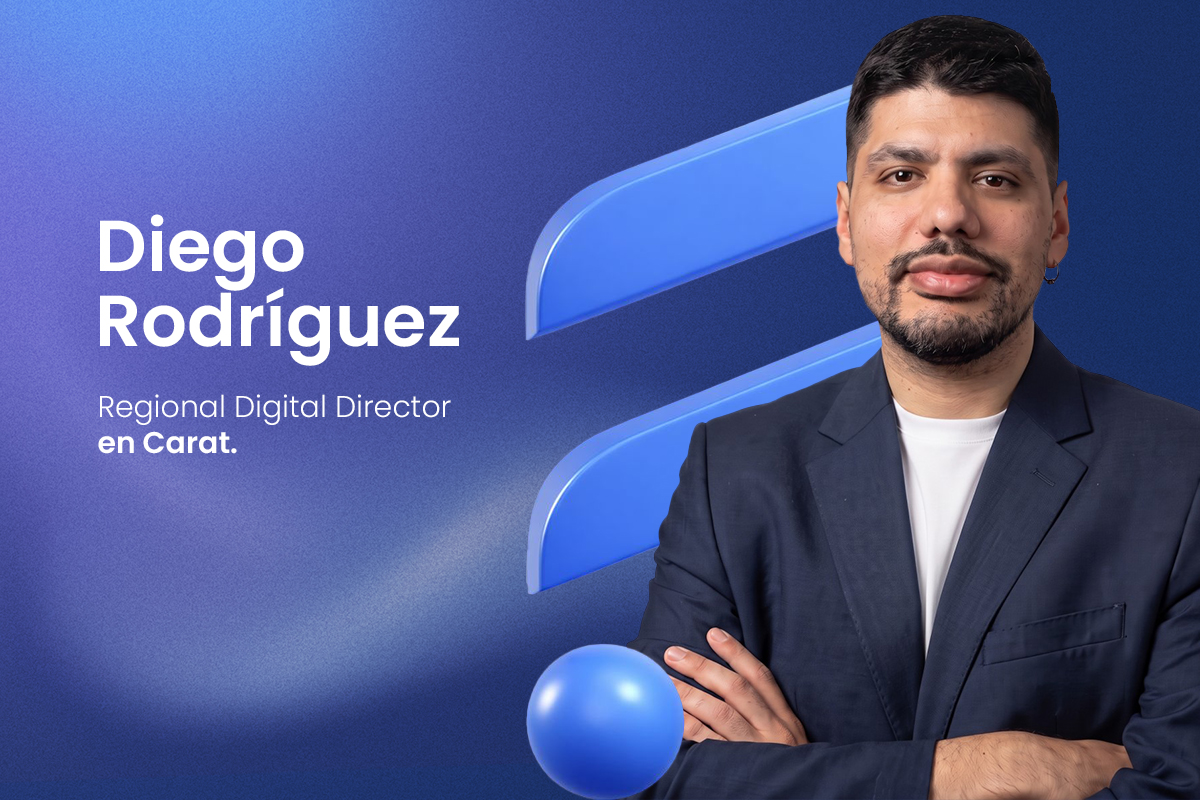
Based on my experience of several years leading the digital advertising strategy of an international brand operating in more than a dozen regional markets, I believe that the preeminence never focused on how quickly we press the buttons, but on how much we understand the business behind each action, what strategies we generate to optimize each campaign, and how we evaluate the results to generate new proposals.
In that sense, in a field where execution is no longer a merit, the value and competitive advantage of teams in general, and each collaborator in particular, is measured by the quality of their questions, their ingenuity, proactivity, and soft skills. The professional who shows a differential is not the one who operates the technology with the greatest skill, but the one who best deciphers what the client has not yet been able to ask for, who anticipates and proposes creative strategies, and knows how to communicate effectively and understand the context.
The technology is already here: abundant, cheap, available to everyone. What is rare, different, what no subscription delivers, is the discernment to know what to demand from it. We can entrust execution to technology. But understanding remains a purely human quality and capital.
FAQs about Artificial Intelligence and Human Judgment in Marketing
1. How is artificial intelligence applied in marketing?
Artificial intelligence can be used to automate tasks, analyze large volumes of data, optimize campaigns, personalize experiences, and accelerate the generation of content and insights.
2. What advantages does artificial intelligence offer in marketing?
AI allows for improved speed of analysis and execution, automates repetitive processes, and detects patterns that can help optimize campaigns and make decisions.
3. Can artificial intelligence replace marketing professionals?
AI can automate part of the execution, but skills like interpreting context, understanding the business, formulating questions, developing strategies, and communicating with clients continue to depend on human judgment.
4. Why is human judgment still important in marketing?
Because data and tools need interpretation. Understanding client needs, a brand's context, and business opportunities requires experience, critical thinking, and strategic capability.
5. How does the role of marketing teams change with AI?
As execution becomes automated, teams can focus more on strategy, creativity, analysis, experimentation, and decision-making.
6. What skills will be most important for marketing professionals in the AI era?
Critical thinking, creativity, communication, business understanding, the ability to ask good questions, and data interpretation will become increasingly relevant.
Why Choose The Flock?
+15.000 top-tier remote devs
Payroll & Compliance
Backlog Management